

Solidago, aka Goldenrod: Captivating Facts and Folklore Surrounding this Native Florida Plant
Solidago, commonly called Goldenrod, and many blooming wildflowers, could be something you've thought very little about. For many others, the very mention of it makes the eyes water and nose itch! Commonly believed to be the cause of hay fever, it turns out this late summer/fall perennial is edible and offers many health benefits.
Tall Goldenrod is a member of the Asteraceae, the Sunflower family. About 140 varieties of Goldenrod grow throughout North America, Europe, and Asia. Sixty of those varieties occur in every habitat type, including woodlands, swamps, mountains, and fields in eastern North America from the Great Plains to the Atlantic.
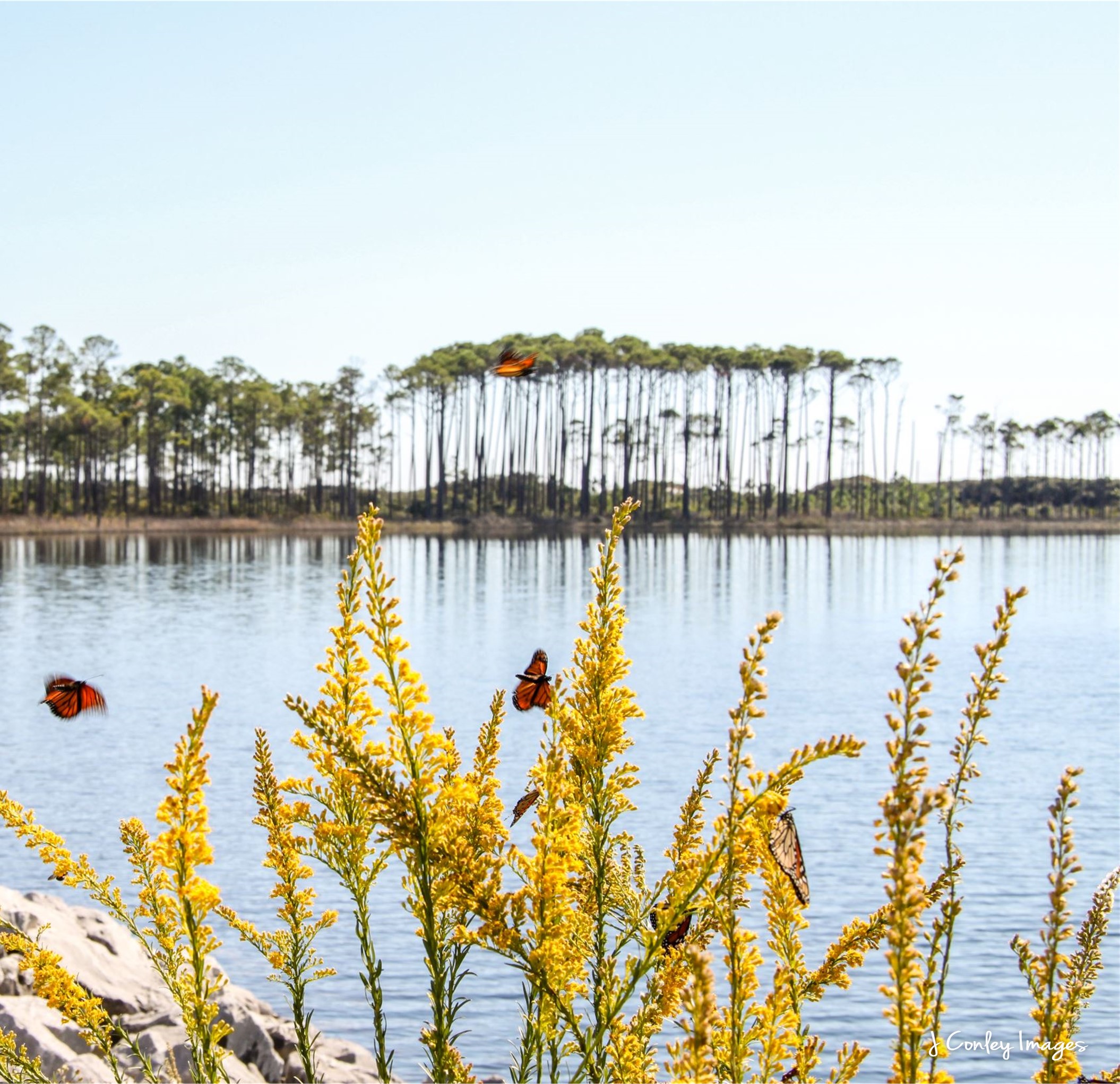
In Florida, Solidago Canadensis (Canada Goldenrod) is found almost exclusively in the Panhandle, with a few pockets in the peninsula. They are rare along the coast. Still, numerous clusters of bright yellow ray-style flowers often appear among other native plants on the dunes, around Coastal Dune Lakes, on nature trails, and in ditches along the roadsides on 30A and all throughout South Walton.
Ragweed Vs. Goldenrod
Blooming every year from late August through October, Goldenrods grow between 1-7 feet tall. Many people often blame Goldenrod for their allergic reactions, but Ragweed, which blooms at roughly the same time, is the real culprit! Here's why: Wind-pollinated plants are known to cause severe allergies, but insect-pollinated plants rarely cause such a reaction without direct contact.
Goldenrods' colorful and attractive blooms are pollinated by insects such as bees, wasps, butterflies, and beetles. Even if caught by the wind, their heavy, sticky pollen can't travel far. In contrast, Ragweed has light, wind-blown pollen that can travel hundreds of miles in the air. Ragweed has greenish blooms on tall spikes that can easily be mistaken for Goldenrod. However, their lack of vibrant yellow makes them less attractive to pollinating insects and reliant on the wind for pollination.
Medicinal & Health Benefits
Chippewa Native Americans called it sun medicine. They boiled leaves and used them as an antiseptic and astringent for wound healing and relief from eczema, arthritis, and rheumatism.
Today, all varieties of Goldenrod are known to be equally nutritious and boast many health benefits. Although it has a bitter taste, it can be used fresh or dried to make tea and tinctures. Healing properties include anti-inflammatory, diuretic, antimicrobial, and 'lo and behold' - allergy relief! It’s also been used to treat diabetes, tuberculosis, and liver problems.
Folklore Uses
The Latin name for Goldenrod, Solidago, means ‘whole’ or 'to make whole' and is thought to reference its healing powers. It’s also considered a sign of prosperity. The sudden appearance of Goldenrod near your front door indicates a stroke of good fortune is on its way. Placed in a vase inside your home is said to attract wealth and prosperity. Missing something around the house? Concentrating on the object while holding Goldenrod in your hand will lead you in the direction of the hidden object or treasure.
In the History Books
An interesting historical use of Goldenrod is for rubber. Its leaves typically contain 7% rubber. When rubber prices skyrocketed during World War I, Henry Ford asked Thomas Edison to find a native plant that could yield a substitute so he could keep manufacturing tires. The pervasive Goldenrod was the answer! Unfortunately, the rubber from Goldenrod was not of high enough quality for commercial use, and cheaper synthetic rubber later came on the market.
So, whenever you spot Goldenrod along our beautiful Emerald Coast, remember to admire its beauty, health advantages, and benefits to the pollinators. As for Ragweed, grab the tissues!
Posted by Robin Maynard on
Enjoy this blog post? Click here to subscribe for updates
Leave A Comment