

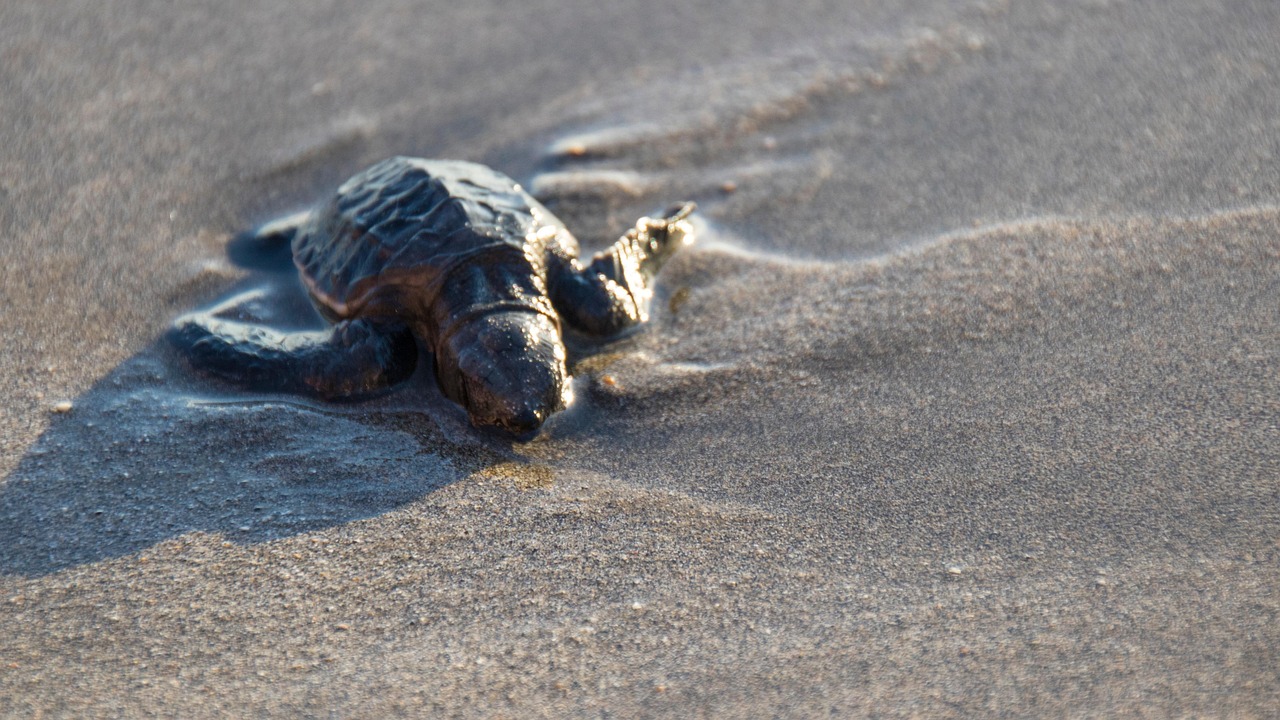
Although sea turtle nesting season doesn't officially begin until May 1st along South Walton and other Panhandle beaches, it's never too early to brush up on your turtle-spotting skills and learn how to be a beachside hero.
How to Spot a Sea Turtle Nest
Not sure what to look for? Here are some clues that sea turtles have been busy:
- Crawling Tracks in the Sand – Look for flipper marks leading from the shoreline into the dunes, usually in a symmetrical or staggered pattern. The tracks resemble tire treads and indicate that a female turtle has crawled up to the nest.
- A Disturbed Patch of Sand – Unlike the smooth, untouched beach around it, a turtle nest area may appear rough or slightly mounded where the turtle has dug and covered her eggs.
- Nest Markers – Many conservation groups, like local turtle patrols, mark nests with wooden stakes and protective netting to keep them safe from human interference. If you see these, be sure to give them plenty of space!
How You Can Help
If you come across a turtle nest or see a nesting turtle, here's how to be a true beach hero:
✔️ Give Them Space – Stay at least 50 feet away from nesting turtles and never shine lights or take flash photos at night.
✔️ Keep Beaches Clean – Fill in holes, remove trash, and take any beach chairs or obstacles off the sand before sunset to help turtles safely reach the water.
✔️ Lights Out for Turtles – Turn off unnecessary outdoor lights, use turtle-friendly amber lighting, and close curtains at night to prevent hatchlings from getting disoriented.
✔️ Report Any Issues – If you see a sick, injured, or distressed sea turtle, call the FWC's Wildlife Alert Hotline at 888-404-FWCC (3922).
Whether you're a resident or a beach-loving visitor, small actions can make a big impact. So, next time you're strolling along the shores of 30A, or other beach on the Emerald Coast, keep an eye out for turtle tracks—and remember, their journey starts with a safe nest!
Want to learn more? Visit MyFWC.com/SeaTurtle for more ways to help protect Florida's sea turtles.
Posted by Robin Maynard onEnjoy this blog post? Click here to subscribe for updates
Leave A Comment